
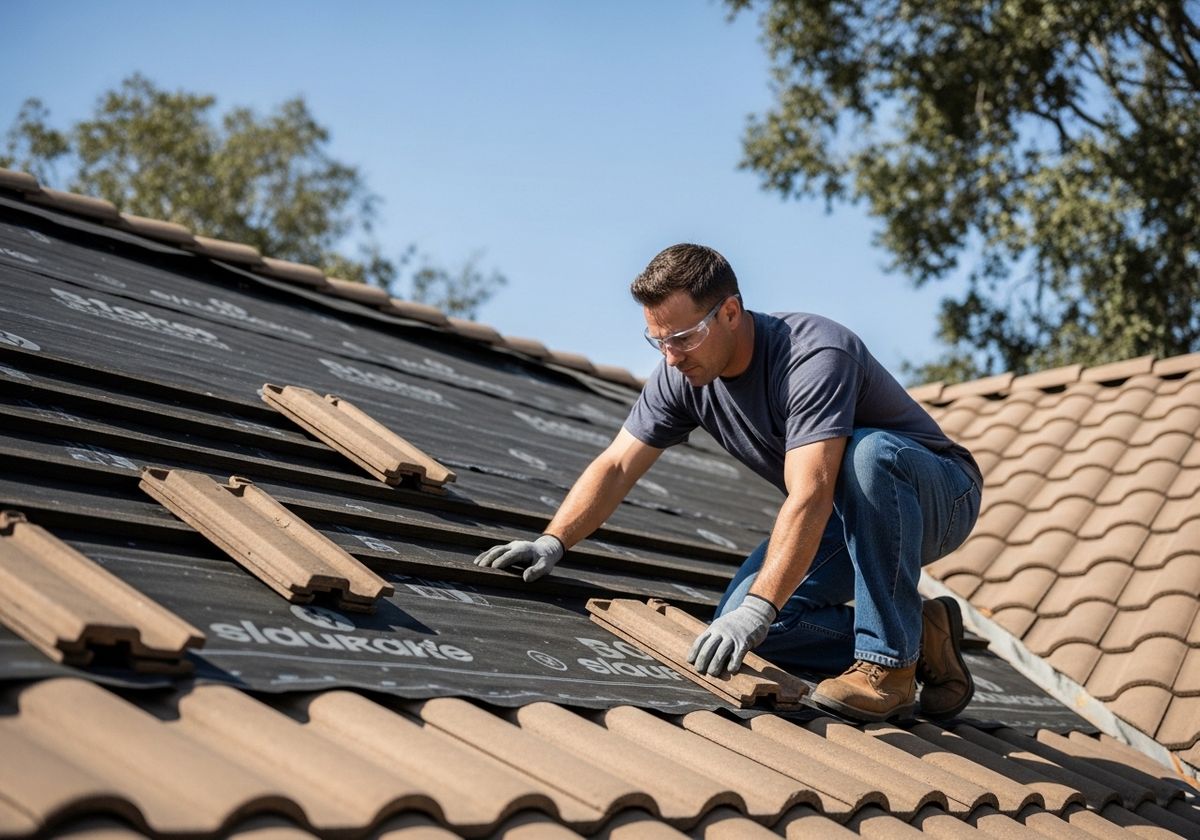
Navigating the world of roofing can be complex, especially when it comes to understanding the essential components that protect your home or business. One such component, often overlooked but critically important, is tile roof underlayment. Let's explore the truth about tile roof underlayment, its function, types, and why it matters.

What is Tile Roof Underlayment?
Tile roof underlayment is a protective layer installed over the roof deck and beneath the tile roofing material. Its primary function is to create a waterproof barrier, shielding the structure from water penetration. While tile roofs are excellent at deflecting water, they are not entirely waterproof on their own. Underlayment acts as a secondary defense, preventing leaks caused by cracked, broken, or displaced tiles, as well as wind-driven rain and ice dams.
Types of Tile Roof Underlayment
There are several types of tile roof underlayment materials available, each with its own set of characteristics and benefits:
Asphalt-Saturated Felt: This is a traditional and cost-effective option. It provides a basic level of protection and is suitable for many roofing applications.
Synthetic Underlayment: Made from polypropylene or polyethylene, synthetic underlayment is more durable, lightweight, and water-resistant than felt. It is also less prone to tearing and can withstand higher temperatures.
Self-Adhered Underlayment: This premium option features an adhesive backing that creates a watertight seal with the roof deck. It offers superior protection against water intrusion and is ideal for low-slope roofs or areas prone to ice dams.

Why is Underlayment Important?
Underlayment is a crucial element of a tile roofing system for several reasons:
Water Protection: It prevents water from seeping into the roof deck and causing damage to the underlying structure, including wood rot, mold growth, and compromised insulation.
Extended Roof Life: By protecting the roof deck from moisture, underlayment helps extend the lifespan of the entire roofing system.
Building Code Compliance: Most building codes require the installation of underlayment beneath tile roofs to ensure adequate protection against water damage.
Choosing the Right Underlayment
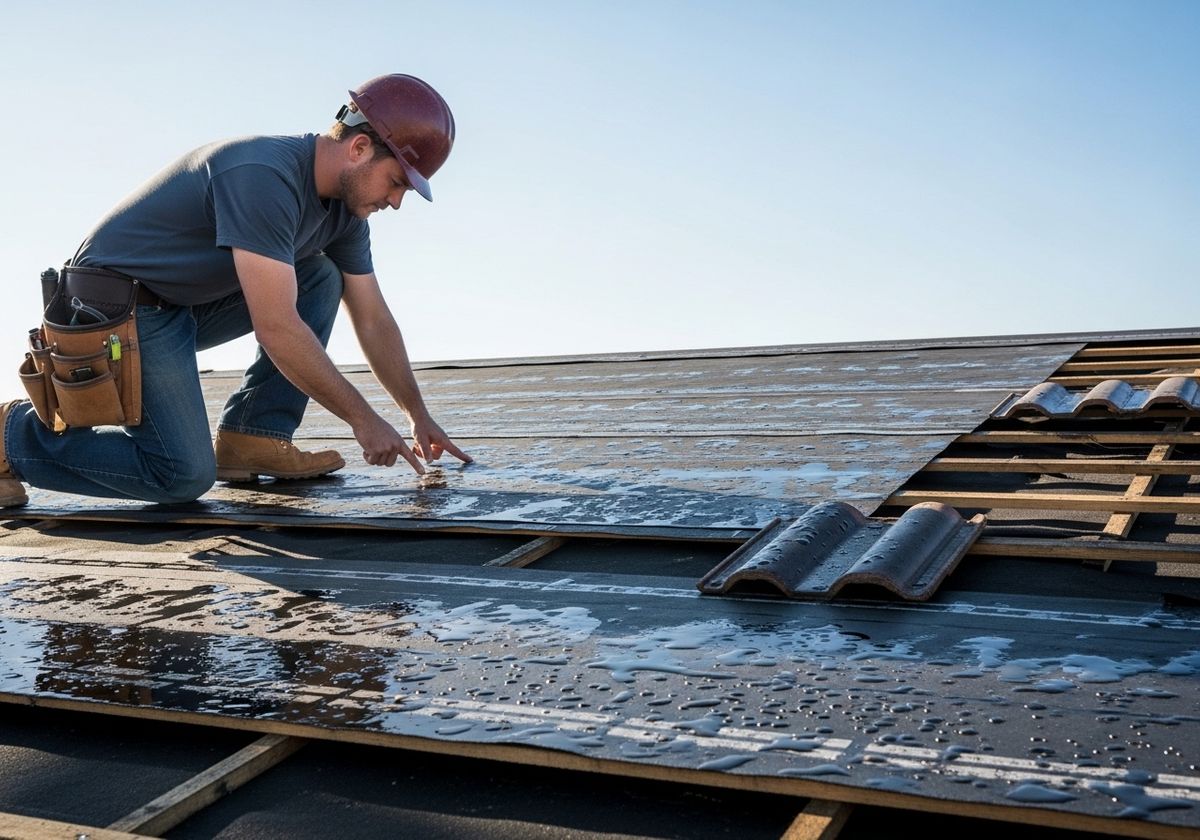
Selecting the appropriate underlayment depends on various factors, such as the type of tile, roof slope, climate conditions, and budget. It's essential to consult with a qualified Roofing Contractor to determine the best option for your specific needs. Proper installation is also critical to ensure that the underlayment performs as intended. A poorly installed underlayment can lead to water leaks and other problems, negating its protective benefits.
Understanding the role and importance of tile roof underlayment is key to maintaining a healthy and durable roof. It's the unsung hero that works behind the scenes to safeguard your property from the elements. Regular inspections and maintenance can help identify any issues with your underlayment early on, preventing costly repairs down the road.
We Got You Covered! When it comes to protecting your home or business with top-quality Residential Roofing or addressing needed Roof Repair, understanding the essentials like underlayment is paramount. At Honor Roofing, LLC, we're committed to providing reliable, cost-effective, and honest Roofing Contractor services. If you have any concerns about your roof or need assistance with Roof Replacement or repairs, don't hesitate to reach out for a consultation. We are here to ensure the safety and security of your property.